Bookmark and Share
  rss2  
 iPad iPhone iPod |  Games |  Mobile |  Ringtones |  Videos |  Analytics!
 

TopRq.com Photoblog

we publish hundreds of new images every day


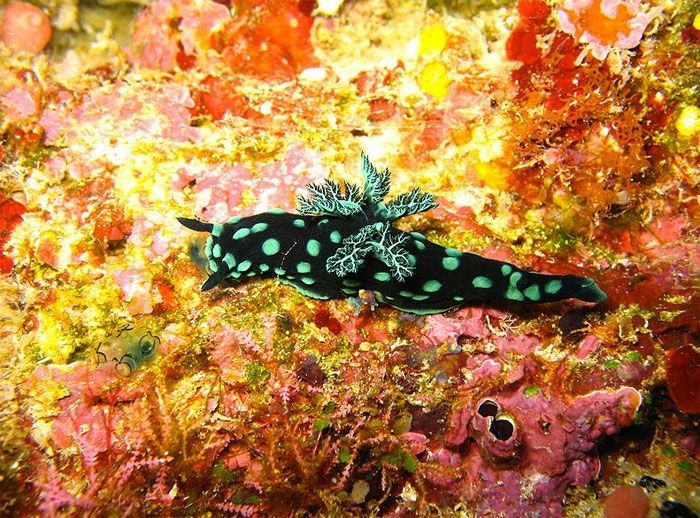
marine biologists photography of underwater creatures

Marine biology is the scientific study of organisms in the ocean or other marine or brackish bodies of water. Given that in biology many phyla, families and genera have some species that live in the sea and others that live on land, marine biology classifies species based on the environment rather than on taxonomy. Marine biology differs from marine ecology as marine ecology is focused on how organisms interact with each other and environment and biology is the study of the animal itself.

Marine life is a vast resource, providing food, medicine, and raw materials, in addition to helping to support recreation and tourism all over the world. At a fundamental level, marine life helps determine the very nature of our planet. Marine organisms contribute significantly to the oxygen cycle, and are involved in the regulation of the Earth's climate. Shorelines are in part shaped and protected by marine life, and some marine organisms even help create new land. Marine biology covers a great deal, from the microscopic, including most zooplankton and phytoplankton to the huge cetaceans (whales) which reach up to a reported 48 meters (125 feet) in length.

The habitats studied by marine biology include everything from the tiny layers of surface water in which organisms and abiotic items may be trapped in surface tension between the ocean and atmosphere, to the depths of the oceanic trenches, sometimes 10,000 meters or more beneath the surface of the ocean. It studies habitats such as coral reefs, kelp forests, tidepools, muddy, sandy and rocky bottoms, and the open ocean (pelagic) zone, where solid objects are rare and the surface of the water is the only visible boundary.

A large amount of all life on Earth exists in the oceans. Exactly how large the proportion is unknown, since many ocean species are still to be discovered. While the oceans comprise about 71% of the Earth's surface, due to their depth they encompass about 300 times the habitable volume of the terrestrial habitats on Earth.

Many species are economically important to humans, including food fish. It is also becoming understood that the well-being of marine organisms and other organisms are linked in very fundamental ways. The human body of knowledge regarding the relationship between life in the sea and important cycles is rapidly growing, with new discoveries being made nearly every day. These cycles include those of matter (such as the carbon cycle) and of air (such as Earth's respiration, and movement of energy through ecosystems including the ocean). Large areas beneath the ocean surface still remain effectively unexplored.

Rate this file (No vote yet)
302129.jpg 302128.jpg 302127.jpg 301439.jpg 301438.jpg 301437.jpg 301436.jpg 301435.jpg 301434.jpg
File information
Filename:301438.jpg
Album name:butkajco / Animals
Keywords:marine biologists photography underwater creatures biology scientific study organisms ocean other brackish bodies water given that many phyla families genera have some species live sea others land classifies based environment rather than taxonomy
Filesize:381 KiB
Date added:Jul 30, 2010
Dimensions:700 x 518 pixels
Displayed:1 times
URL:http://www.toprq.com/displayimage.php?pid=301438
Favorites:Add to Favorites