 Home
Home Login
Login Album list
 Last uploads
 Last viewed
 Most viewed
 Top rated
 My Favorites
 By date
 Search
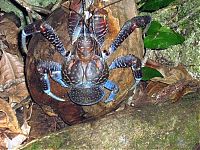
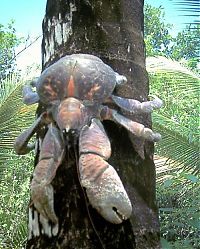
Coconut Crab
Tuesday, 2nd June 2009, 10:49:24
Album: Fauna & Flora, New uploads: 2, Hits: 139, Size: 0MiB
True crabs are decapod crustaceans of the infraorder Brachyura, which typically have a very short projecting "tail" (Greek: βραχύς / brachys = short, οὐρά / οura = tail), or where the reduced abdomen is entirely hidden under the thorax. Many other animals with similar names – such as hermit crabs, king crabs, porcelain crabs, horseshoe crabs and crab lice – are not true crabs...
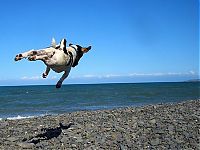
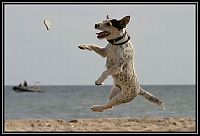
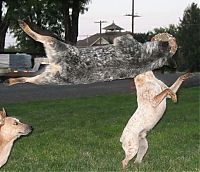
Animal Acrobats
Tuesday, 2nd June 2009, 10:16:57
Album: Fauna & Flora, New uploads: 28, Hits: 2003, Size: 1MiB
Animals are a major group of multicellular, eukaryotic organisms of the kingdom Animalia or Metazoa. Their body plan eventually becomes fixed as they develop, although some undergo a process of metamorphosis later on in their life. Most animals are motile, meaning they can move spontaneously and independently. All animals are also heterotrophs, meaning they must ingest other organisms for sustenance...
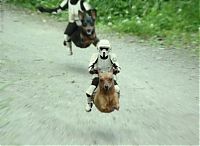

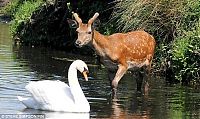
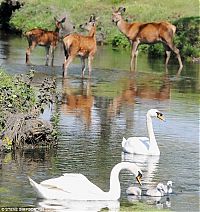
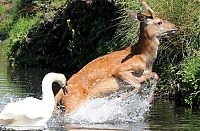
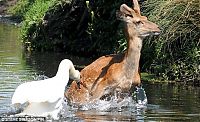
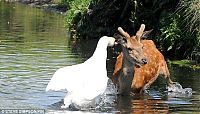
Deer Against A Swan
Tuesday, 2nd June 2009, 09:31:57
Album: Fauna & Flora, New uploads: 5, Hits: 243, Size: 0MiB
Deer
Deer (singular and plural) are the ruminant mammals forming the family Cervidae. Species in the Cervidae family include White-tailed deer, Elk, Moose, Red Deer, Reindeer, Roe and Chital. Male deer of all species, except the Chinese Water deer, and female Reindeer grow and shed new antlers each year. In this they differ from permanently horned animals such as antelope; these are in the same order as deer and may bear a superficial resemblance...
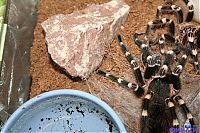
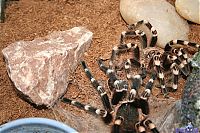
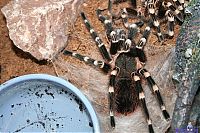
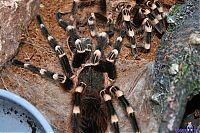
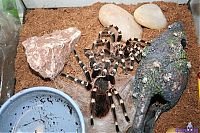
Molting Spider
Tuesday, 2nd June 2009, 09:27:25
Album: Fauna & Flora, New uploads: 9, Hits: 673, Size: 1MiB
Spiders (order Araneae) are air-breathing arthropods that have eight legs, and chelicerae with fangs that inject venom. They are the largest order of arachnids and rank seventh in total species diversity among all other groups of organisms. Spiders are found worldwide on every continent except for Antarctica, and have become established in nearly every habitat with the exception of air and sea colonization...
Camouflage Animals
Monday, 1st June 2009, 17:00:10
Album: Fauna & Flora, New uploads: 4, Hits: 200, Size: 1MiB
Camouflage is a method of crypsis (hiding). It allows an otherwise visible organism or object to remain unnoticed, by blending with its environment. Examples include a tiger's stripes, the battledress of a modern soldier and a butterfly camouflaging itself as a leaf. The theory of camouflage covers the various strategies which are used to achieve this effect.
In nature
Cryptic coloration is the most common form of camouflage, found to some extent in the majority of species...
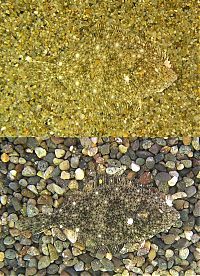
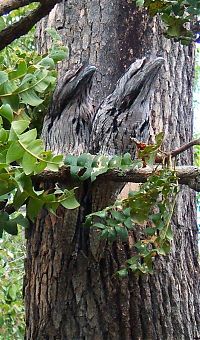
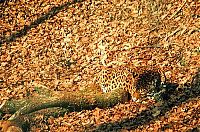
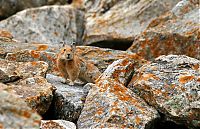
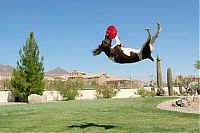
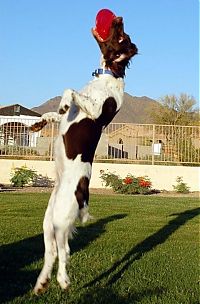
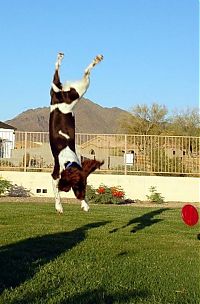
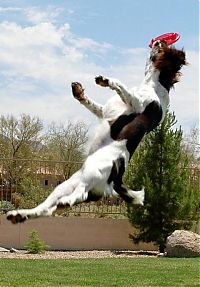
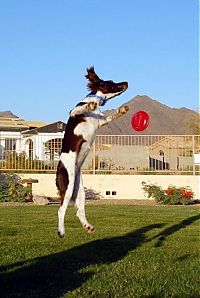
Dog Acrobat
Monday, 1st June 2009, 16:56:59
Album: Fauna & Flora, New uploads: 16, Hits: 1034, Size: 1MiB
The dog (Canis lupus familiaris and Canis lupus dingo) is a domesticated form of the gray wolf, a member of the Canidae family of the order Carnivora. The term is used for both feral and pet varieties. The domestic dog has been the most widely kept working, hunting and companion animal in human history. The word "dog" may also mean the male of a canine species, as opposed to the word "bitch" for the female of the species.
Dogs were domesticated from gray wolves at least twice...
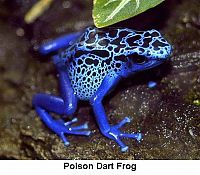
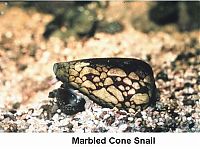
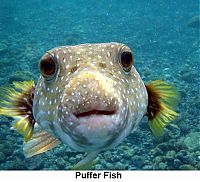
10 Most Poisonous Creatures On Earth
Monday, 1st June 2009, 09:49:42
Album: Fauna & Flora, New uploads: 10, Hits: 694, Size: 1MiB
Earth (or the Earth) is the third planet from the Sun, and the densest and fifth-largest of the eight planets in the Solar System. It is also the largest of the Solar System's four terrestrial planets. It is sometimes referred to as the world, the Blue Planet, or by its Latin name, Terra.
Earth formed 4.54 billion years ago, and life appeared on its surface within one billion years. The planet is home to millions of species, including humans...
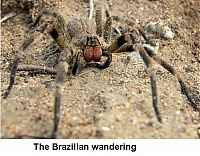
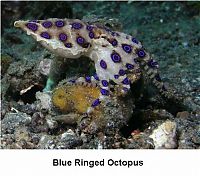
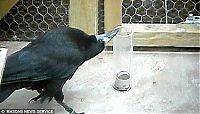
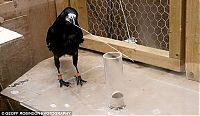
Smart Bird
Friday, 29th May 2009, 11:07:14
Album: Fauna & Flora, New uploads: 4, Hits: 272, Size: 0MiB
Birds (class Aves) are feathered, winged, bipedal, endothermic (warm-blooded), egg-laying, vertebrate animals. Around 10,000 living species makes them the most speciose class of tetrapod vertebrates. They inhabit ecosystems across the globe, from the Arctic to the Antarctic. Extant birds range in size from the 5 cm (2 in) Bee Hummingbird to the 2.75 m (9 ft) Ostrich...
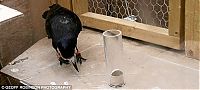
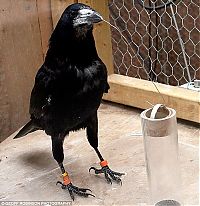
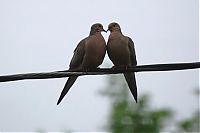
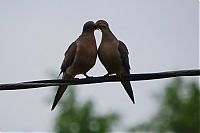
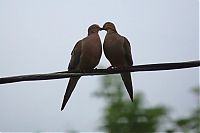
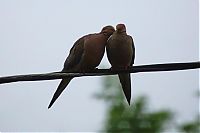
Birds Love
Friday, 29th May 2009, 10:51:55
Album: Fauna & Flora, New uploads: 4, Hits: 206, Size: 0MiB
Birds (class Aves) are feathered, winged, bipedal, endothermic (warm-blooded), egg-laying, vertebrate animals. Around 10,000 living species makes them the most speciose class of tetrapod vertebrates. They inhabit ecosystems across the globe, from the Arctic to the Antarctic. Extant birds range in size from the 5 cm (2 in) Bee Hummingbird to the 2.75 m (9 ft) Ostrich...
Animal Photography
Thursday, 28th May 2009, 20:26:10
Album: Fauna & Flora, New uploads: 18, Hits: 892, Size: 2MiB
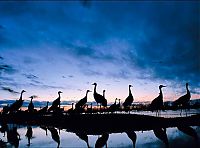
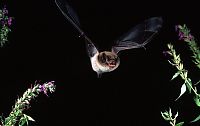
Animals are a major group of multicellular, eukaryotic organisms of the kingdom Animalia or Metazoa. Their body plan eventually becomes fixed as they develop, although some undergo a process of metamorphosis later on in their life. Most animals are motile, meaning they can move spontaneously and independently. All animals are also heterotrophs, meaning they must ingest other organisms for sustenance...
| History |  |
1 | - | 7 |  |
8 | |
9 | 10 |  |
|


















































|
||||||||||||||
